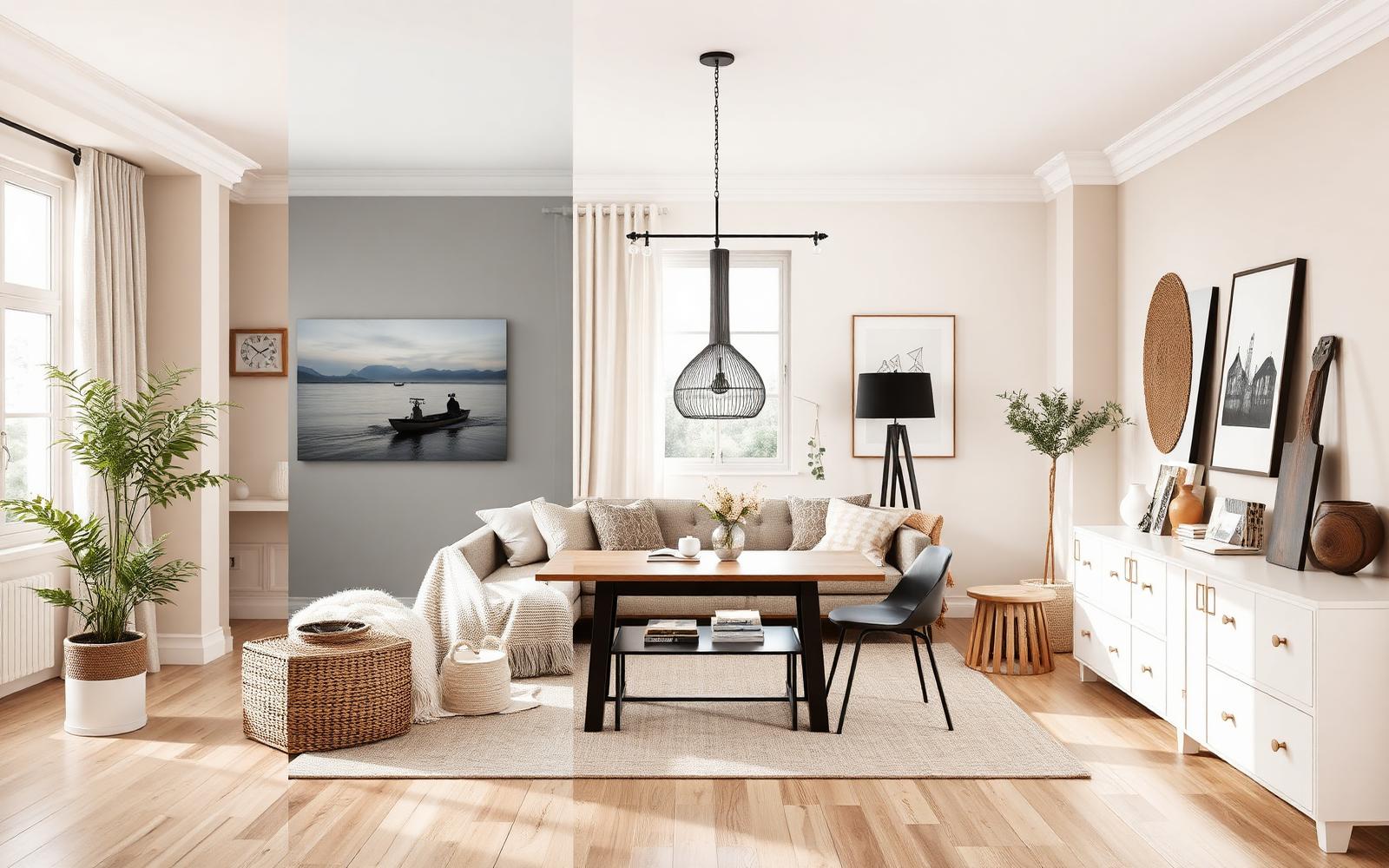
Interior styles explained – traits, palettes and who they suit
Interior styles get confused because they share materials. This overview explains what actually separates Scandinavian, Japandi, boho, classic elegant and industrial – with palettes, key materials and the homes each style suits best.
Updated 5 September 2026
Warm Scandinavian minimalism
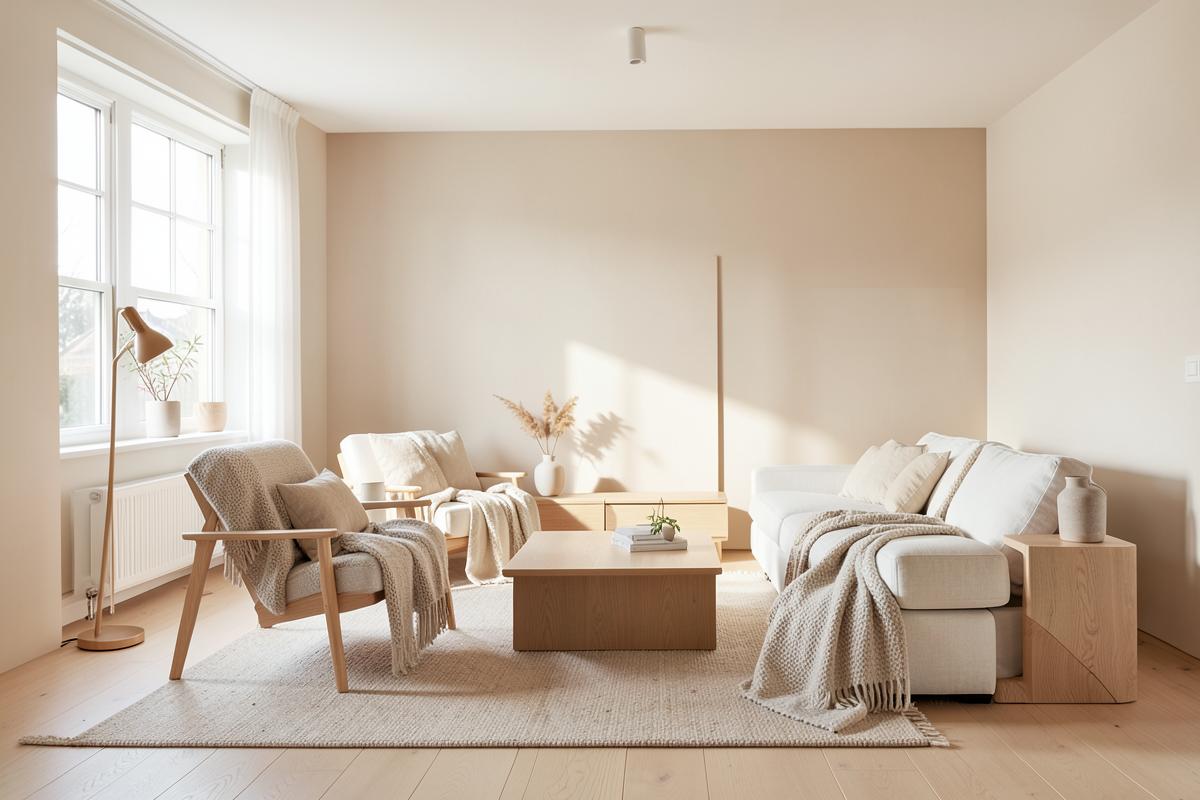
Traits: light wood, white and sand-beige surfaces, few but good pieces, plenty of textiles. Palette: off-white, sand, light oak, one muted accent.
Suits: almost any home, and especially flats being sold within a few years. It's safe, timeless and easy to build on.
- Materials: light oak, linen, wool, unglazed ceramics.
- Buy first: a large wool rug and floor-to-ceiling curtains.
- Avoid: cool white light and high-gloss surfaces.
Japandi
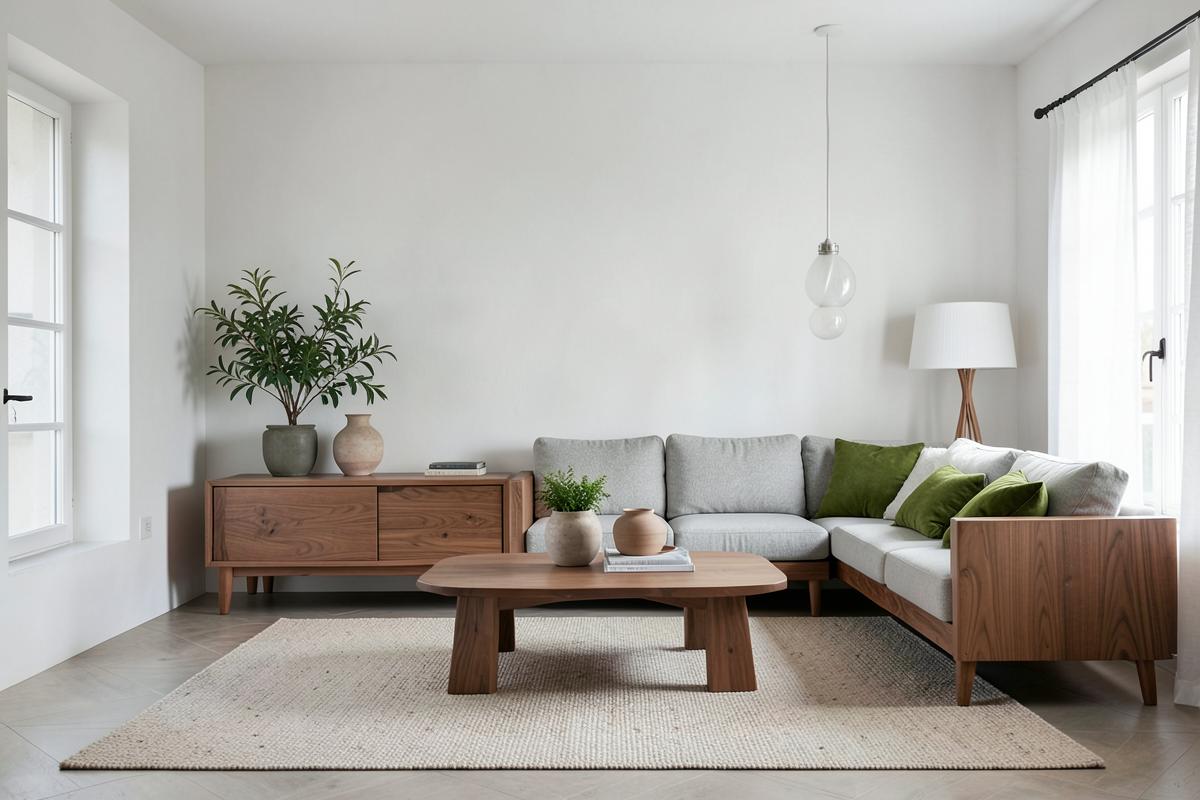
Traits: Japanese restraint meets Scandinavian warmth. Low furniture, darker wood, handmade ceramics and almost no decor. Palette: chalk, graphite, walnut, moss green.
Suits: small, tidy homes with neutral or cool light. It demands discipline – the style collapses with clutter.
- Materials: walnut, bamboo, paper, matte stone.
- Buy first: one low table in dark wood and closed storage.
- Avoid: many small objects on open surfaces.
Boho light
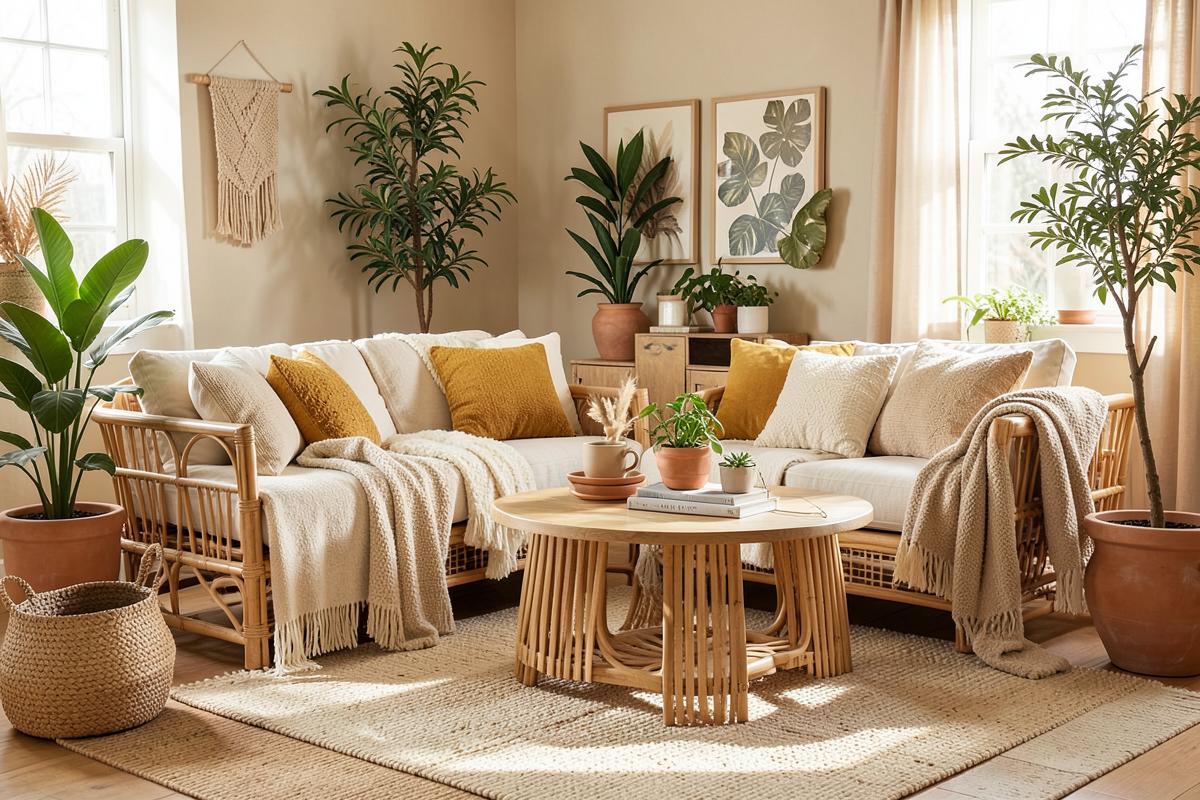
Traits: layered textiles, rattan, jute, plants and warm earth tones. Palette: terracotta, mustard, cream, brown.
Suits: homes with space and people who like a lived-in look. It works poorly in very small rooms, where layers quickly read as clutter.
- Materials: rattan, jute, cotton, terracotta.
- Buy first: a jute rug and two or three large plants.
- Avoid: more than three patterns in one room.
Classic elegant and hotel feel
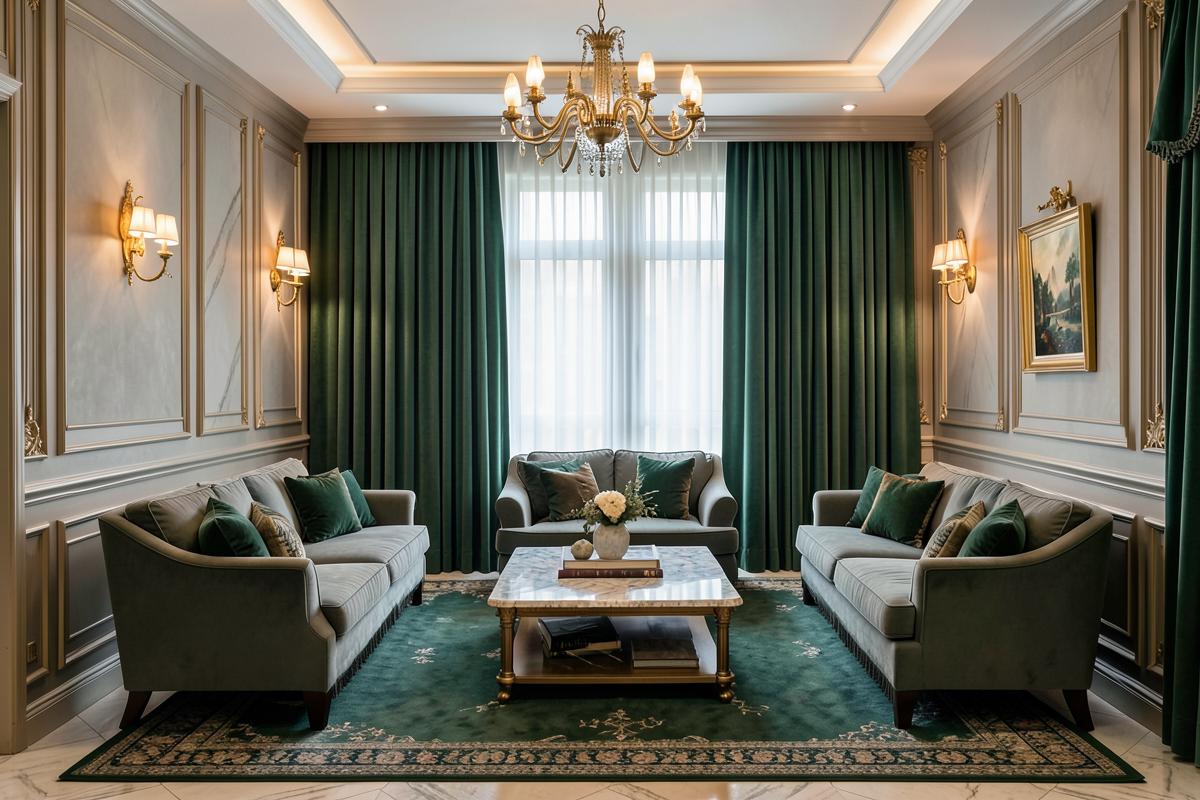
Traits: symmetry, panelling, heavy curtains, brass and marble. Palette: sand, greige, deep green or blue, gold as accent.
Suits: older apartment buildings and houses with ceiling height. In low rooms the style quickly feels tight.
- Materials: velvet, marble, brass, panelling.
- Buy first: heavy curtains mounted right below the ceiling.
- Avoid: the style in rooms under 240 cm ceiling height.
Industrial
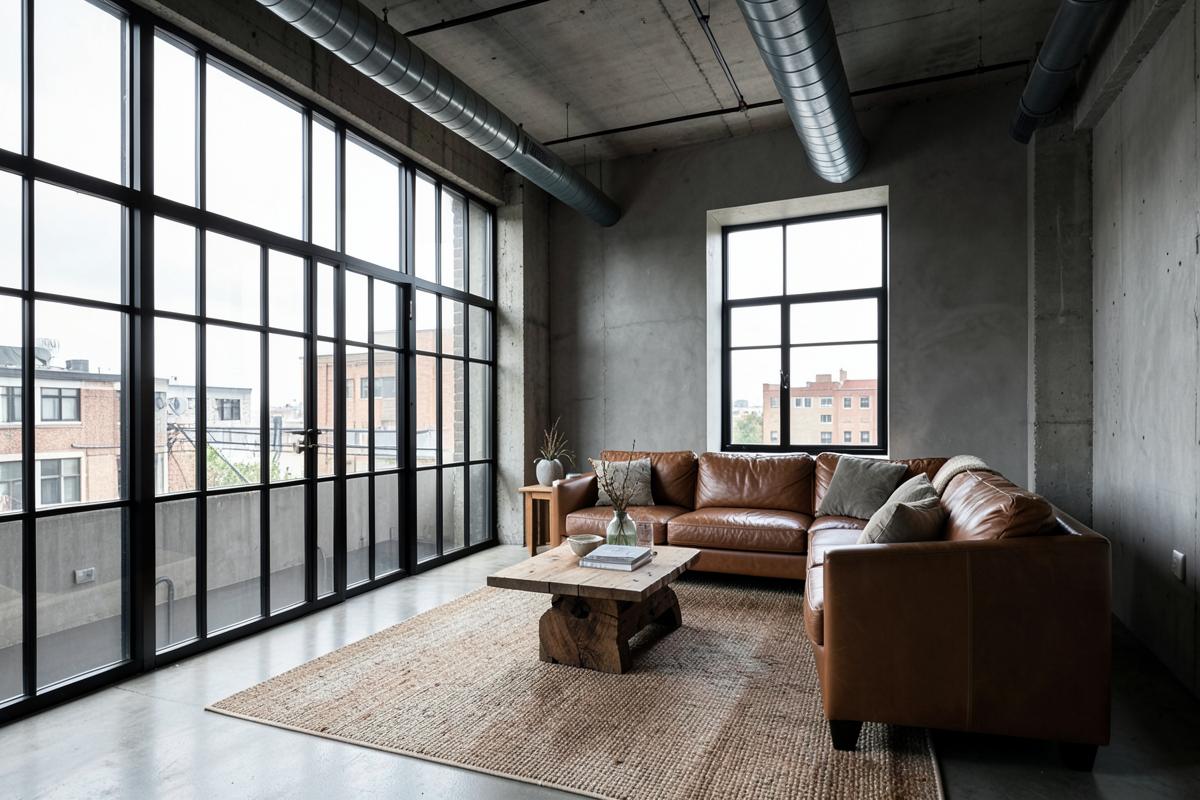
Traits: black metal, concrete, raw wood and visible technical details. Palette: graphite, concrete grey, black, brown leather.
Suits: lofts, garage conversions and large open rooms. In small flats use it as an accent, not as the whole.
- Materials: black steel, concrete, leather, reclaimed wood.
- Buy first: one black metal lamp and a large natural-fibre rug to soften the room.
- Avoid: only hard surfaces – the room turns cold and echoey.
Compare the styles
The table below sums up the differences so you can choose based on the room you actually have – not the photo you like best.
| Style | Palette | Best suited to | Upkeep |
|---|---|---|---|
| Scandinavian | Off-white, sand, light oak | Any home, sale-ready flats | Low |
| Japandi | Chalk, graphite, walnut | Small, tidy homes | Medium – needs tidiness |
| Boho light | Terracotta, mustard, cream | Spacious homes | Medium – many textiles |
| Classic elegant | Greige, deep green, gold | High rooms, period buildings | High |
| Industrial | Graphite, concrete grey, black | Lofts and large open rooms | Low |
How to choose between them
The order that works: map the light through a full day, measure the ceiling height, be honest about how tidy you are – then choose. The full method is in our living-room inspiration guide.
- 1Photograph the room at 9am, 2pm and 8pm – the light decides which palette suits it.
- 2Measure ceiling height and room length. Under 240 cm: choose light, low styles.
- 3Pick the palette before the furniture: two neutrals and one accent.
- 4Choose one material to repeat throughout the room (light oak, for example).
- 5Test two or three styles on a photo of the room before buying anything.
See the styles on your own room
Style names mean little until you see them on your own walls. Upload one photo to Intyria and generate three styles on the same room – the comparison usually settles the choice faster than months of research.
FAQ
- What is the difference between Scandinavian and Japandi?
- Scandinavian is lighter, warmer and more textile-rich. Japandi is stricter, uses darker wood and far less decor, using empty space deliberately.
- Which interior style suits small flats?
- Warm Scandinavian minimalism and Japandi. Both use light surfaces, low furniture and little decor, which keeps small rooms open.
- Can I combine several interior styles?
- Yes, if the palette is shared. Scandinavian and Japandi blend naturally, and boho can soften an industrial base. Classic and industrial takes more experience.
- Which style lasts longest?
- Warm Scandinavian minimalism and classic elegant age best. Strongly trend-driven looks need updating every five years or so.
Related inspiration
More guides
Try the styles on your own room
Upload a photo and see your home in the style of your choice – free to start. Free credits, no credit card required.
Get started